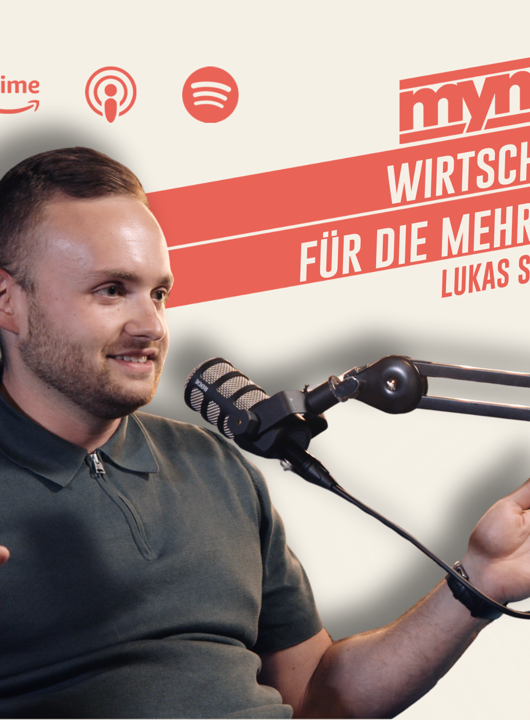


With Surplus, Lukas Scholle founded an economic magazine that puts the interests of the majority at its core — deliberately pushing back against the dominance of market-liberal narratives. In this episode, we talk about the founding and media strategy of Surplus (print & digital), about impact over reach, about sharp framing as a journalistic tool — and about AI as a productivity driver, power factor and potential market bubble.
In this conversation, you’ll learn:
- why economic debates often focus on public holidays — and too rarely on taxing wealth
- why Germany lacked a progressive economic magazine for so long — and which gap Surplus aims to fill
- how Surplus built a network of editors and columnists (including Isabella Weber, Adam Tooze and Thomas Piketty)
- why print still makes strategic sense in 2025 — and how Surplus combines print and digital in one subscription
- how Lukas defines “success”: shaping debates, being cited and creating resonance instead of chasing clicks
- where sharp framing ends and journalistic standards begin — and why both belong together
- how Lukas views AI: between real productivity gains, power concentration and bubble risks
- why economic policy is always also a question of democracy and social stability
